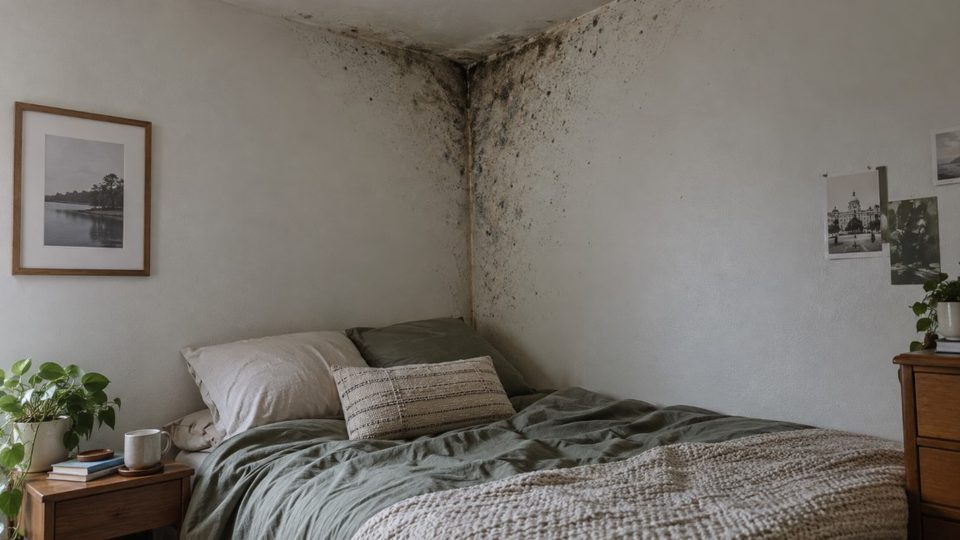
There Is No Wisconsin Mold Statute
That is worth saying at the start, because tenants frequently go looking for one and conclude, wrongly, that there is no remedy. There is no law in Wisconsin setting mold limits, requiring landlords to test, or specifying a timescale for mold remediation specifically.
What exists instead is the general framework: a landlord's obligation to maintain the premises in a habitable condition and to make repairs. Mold is dealt with through that route, as a consequence of a defect — a leak, a failed roof, absent ventilation — rather than as a category of its own.
That distinction shapes everything about how a tenant should approach it. Frame it as a repair issue and a moisture defect, not as a mold complaint. A request to fix a leaking pipe and a non-functioning bathroom fan is concrete and actionable. A request to “do something about the mold” is not.
Have a specific situation?
This article covers the general case. For your own building, call and describe what you are seeing. The conversation is free.
(608) 724-1919Free phone consultation.
What Actually Makes Any of It Work
Documentation. Every subsequent step — a repair request, a rent escrow action, a claim, a move-out dispute — depends entirely on there being a written, dated record. A tenant with photographs and letters has options; a tenant with recollections of phone calls does not.
Photograph everything, with a visible date, and keep the originals with their metadata rather than screenshots. Write to the landlord — email or letter, not a text and not a conversation — describing what you see, where, when it started, and what you are asking to be repaired. Keep a copy of everything you send and a log of when you sent it. Keep a symptom diary if anyone in the household is unwell. Do this before anything else.
The Order of Steps
- Written notice describing the defectNot the mold — the leak, the missing extract fan, the water coming through the wall. Ask for a specific repair.
- Allow a reasonable timeWhat is reasonable depends on severity. A burst pipe is days; a ventilation upgrade is longer.
- Follow up in writingReferencing the first notice by date. Build the chronology as you go.
- Escalate to the municipality if it persistsLocal building or housing inspection can inspect for code violations. An inspector's report is independent evidence and it costs you nothing.
- Consider rent escrow or abatement — with advice firstWisconsin law provides remedies where a landlord fails to repair, but the procedure matters and getting it wrong exposes you to eviction. Take advice before withholding anything.
- Legal adviceTenant resource organizations and legal aid services operate in Wisconsin and handle this regularly.
It is the most common and most damaging mistake. Withholding rent without following the correct statutory procedure gives the landlord grounds for eviction, and it converts your repair complaint into an eviction defense — a much weaker position. There are lawful routes to withhold or abate; use them, and take advice first.
Where the Responsibility Genuinely Divides
| Situation | Usually |
|---|---|
| Leaking roof, pipe or failed window seal | Landlord — a defect in the premises |
| No extract fan in the bathroom, or one that does not work | Landlord — the building lacks required ventilation |
| Groundwater entering a basement unit | Landlord |
| Tenant drying laundry indoors with windows shut and no extract | Tenant contribution |
| Tenant not using the extract fan that exists and works | Tenant contribution |
| Furniture pushed hard against a cold exterior wall | Shared — but an uninsulated wall is still a building issue |
Landlords commonly attribute mold to tenant behavior and tenants commonly attribute it entirely to the building. Both are sometimes right. The way to settle it is measurement rather than argument: a hygrometer log over two weeks, plus a check of whether the ventilation provided actually works and where it discharges.
Testing, and When It Is Worth It
A dispute is one of the few situations where air testing genuinely earns its cost, because you need something a third party can read. If you do it, do it properly — an outdoor control sample taken the same day, multiple indoor locations, an accredited laboratory, and a written interpretation. A single indoor sample with no control proves nothing and will be dismissed.
For Landlords
Responding promptly and in writing is both the cheaper and the safer course. The recurring pattern in the older rented stock in Janesville, Beloit and Whitewater is a problem painted over between tenancies rather than traced — and a wall that has been repainted three times costs far more to deal with than it would have the first time. Fix the defect, document what was done, and keep the record. It protects you in exactly the same way it protects the tenant.
Questions This Article Raises Most Often
There are lawful routes to withhold or abate rent in Wisconsin where a landlord has failed to repair, but they have procedural requirements and simply stopping payment is not one of them. Doing it informally gives the landlord grounds for eviction and weakens your position substantially. Take advice from a tenant resource organization or legal aid before withholding anything — the procedure is the difference between a remedy and an eviction.
Sometimes there is something in that, and it is rarely the whole answer. Occupant behavior does affect indoor humidity — drying laundry indoors, long showers without extract. But behavior cannot explain growth where no working extract fan exists, where a fan discharges into the attic, where a pipe is leaking, or where an uninsulated wall is condensing. The way to resolve it is a hygrometer log plus a check of the ventilation actually provided, rather than an exchange of assertions.
In an active dispute, it is often worth it, because you need evidence a third party can read. Make sure it is done properly: outdoor control the same day, multiple indoor locations, accredited lab, written interpretation. Before spending on that, though, contact the municipal building or housing inspection office — an inspection for code violations is independent, authoritative and usually free, and a report from them may carry more weight than a lab result.
Potentially, where the property is genuinely uninhabitable and the landlord has failed to repair after proper notice, but it is not a step to take unilaterally. Constructive eviction arguments depend on severity, on documented notice, and on the landlord having had a reasonable opportunity to act. Get advice before giving notice, because leaving without the correct basis exposes you to liability for the remaining rent.
Two issues to separate. The moisture one: below-grade units need ventilation and humidity control that basements frequently lack, and the walls are cold and in contact with wet soil. The compliance one: basement dwelling units have egress, ceiling height and light requirements, and a unit that does not meet them is a code matter independent of air quality. The municipal inspection office is the right first call, because they can assess both.